








Vysielač vodivosti 4-20mA s Wifi




305,00 € bez DPH
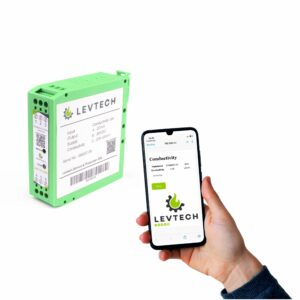
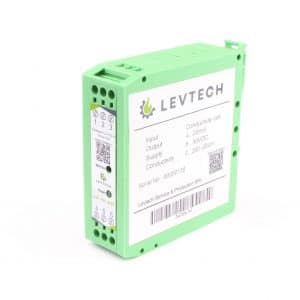
Náš prevodník vodivosti meria vodivosť kvapaliny pomocou akéhokoľvek štandardného odporového snímača vodivosti s 2 elektródami. Tento prevodník je meracie zariadenie, ktoré meria odpor medzi článkami snímača vodivosti a nameranú hodnotu prevádza na lineárny analógový signál 4-20 mA, ktorý možno pripojiť k PLC. Presnosť merania veľmi závisí od kvality snímača.
Dodanie do 2-3 dní v EÚ a 7-10 dní po celom svete
*Dodacie termíny sa môžu meniť v závislosti od množstva a dodacej adresy.
Všetky objednávky sú doručované spoločnosťou DHL 
Využite bezplatnú dopravu po celom svete pri objednávkach nad 500EUR
98 na sklade
O tomto zariadení
Tento prevodník vodivosti meria elektrický odpor roztoku pomocou snímača s elektródami, prevádza tento odpor na hodnotu vodivosti a potom túto hodnotu prenáša na účely monitorovania a kontroly.
Stručné vysvetlenie fungovania merania vodivosti a vysielača:
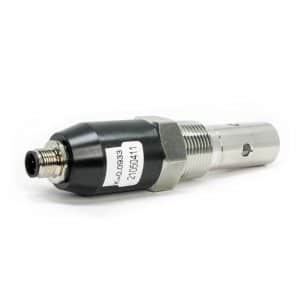
Senzor
Vysielač potrebuje sondu vodivostného senzora, ktorá sa zvyčajne skladá z dvoch alebo štyroch elektród. Tieto elektródy sú vyrobené z materiálov, ktoré dobre vedú elektrický prúd, často z nehrdzavejúcej ocele. Presnosť týchto meraní vodivosti výrazne závisí od kvality snímača vodivosti. Hoci náš prevodník vodivosti možno spárovať s akýmkoľvek snímačom vodivosti, na dosiahnutie najlepších výsledkov vždy odporúčame používať naše vysokokvalitné snímače.
.
Princíp merania
Keď je senzor ponorený do roztoku, vodivosť roztoku ovplyvňuje elektrický odpor medzi elektródami. Roztoky s vyššou koncentráciou iónov (vyššia vodivosť) umožňujú ľahší prechod elektrického prúdu medzi elektródami, čo má za následok nižší odpor. Ak napríklad ponoríme snímač vodivosti do slanej vody, ktorá je dobrým vodičom, zaznamená vysokú vodivosť v dôsledku ľahkého toku prúdu medzi elektródami. Naopak, ak je snímač umiestnený v čistenej vode, ktorá nemá dobré vodivé vlastnosti, snímač zaznamená nízku vodivosť vody
Budiaci signál
Vysielač generuje striedavý sínusový budiaci signál, ktorý sa privádza na elektródy snímača. Tento budiaci signál vyvoláva v roztoku okolo elektród malé elektrické pole. Na modeli wifi môžete meniť frekvenciu budiaceho signálu.
Zisťovanie poklesu napätia
Vysielač meria úbytok napätia na elektródach spôsobený prúdom pretekajúcim roztokom. Tento pokles napätia je úmerný vodivosti roztoku. Roztok s vyššou vodivosťou bude mať nižší pokles napätia a naopak.
Kalibrácia a kompenzácia
Na prepočet poklesu napätia na zmysluplnú hodnotu vodivosti sa prevodník často kalibruje pomocou roztokov so známou hodnotou vodivosti. Na vodivosť má vplyv aj teplota. Máme ďalšiu produkt ktorý dokáže kompenzovať hodnotu vodivosti v závislosti od teploty kvapaliny.
Prenos
Po výpočte hodnoty vodivosti môže vysielač prenášať tieto údaje do riadiaceho systému, záznamníka údajov alebo iných monitorovacích zariadení pomocou analógového výstupu 4-20 mA.
Údržba a čistenie
Je dôležité pravidelne čistiť a udržiavať snímač vodivosti, pretože hromadenie usadenín alebo nečistôt na elektródach môže ovplyvniť presnosť meraní. Prevodník nevyžaduje žiadnu údržbu.
Variácie
Vyberte si z našej ponuky produkt, ktorý najlepšie vyhovuje vašim potrebám. Naše prevodníky vodivosti sú k dispozícii v 2 verziách: LSP-TSC a LSP TSC-WIFI Verzia WiFi umožňuje používateľovi pripojiť sa a zmeniť parametre. Zariadenie má zabudované webové rozhranie, ku ktorému je možné pristupovať z telefónu, tabletu alebo notebooku prostredníctvom pripojenia WiFi. Nie je potrebná žiadna aplikácia ani ďalší softvér, k menu môžete pristupovať z internetového prehliadača. .

Vo verzii bez wifi nie je možné dodatočne meniť parametre. Pri objednávke je potrebné oznámiť požadované parametre, ktoré budú poskytnuté pri výrobe.
Aplikácie
- Úprava vody: monitorovanie vodivosti vody v procesoch úpravy a čistenia.
- Chemické spracovanie: monitorovanie vodivosti chemikálií v priemyselných procesoch, čím sa zabezpečí udržanie optimálnych podmienok procesu.
- Výroba potravín a nápojov: môže sa použiť na monitorovanie vodivosti kvapalín, ako je mlieko, džús a pivo, pomocou príslušného snímača.
Prevodníky vodivosti nachádzajú široké uplatnenie v zariadeniach na úpravu vody. V takýchto systémoch sa merania vodivosti vody zhromažďujú centrálnou jednotkou (PLC), ktorá riadi systém.
Pozoruhodné funkcie
• Kompenzácia kapacity kábla
• Výstup analógového signálu 4 až 20 mA
• TS-35 montáž na DIN lištu pre flexibilnú inštaláciu
• Presné meranie vodivosti kvapaliny (presnosť +/-0,1%)
• Ochranný kryt IP20
• Skrutkové svorky
• Elektricky izolovaný vstup, výstup a napájanie pre bezpečnosť
• LED dióda napájania
• Cyklická samokalibrácia
• Modul WiFi na jednoduchú konfiguráciu.
Výber vhodného snímača vodivosti:
Pri meraní vodivosti vody je nevyhnutné vybrať správny snímač vodivosti. Tento výber závisí od pochopenia podrobností vášho projektu, ako sú očakávané úrovne vodivosti vody, teplotné zmeny a plánované umiestnenie snímača.
Jedným z kľúčových faktorov, ktoré treba zohľadniť pri výbere medzi snímačmi, je bunková konštanta alebo faktor K. Táto hodnota opisuje geometriu sondy a informuje vás o type kvapalín, ktoré dokáže presne merať.
Napríklad senzory s nízkou bunkovou konštantou, ktoré indikujú malé vzdialenosti medzi povrchmi vodičov, sú ideálne na meranie čistej a ultračistej vody. Na druhej strane, snímače s väčšou bunkovou konštantou, ktoré ponúkajú výraznejšie snímacie povrchy a prepúšťajú viac kvapaliny, sú vhodné pre kvapaliny, u ktorých sa očakáva vyššia vodivosť ako u čistej vody. Zohľadnením týchto faktorov môžete s istotou vybrať správnu sondu s konštantou bunky pre svoje potreby v oblasti úpravy vody.
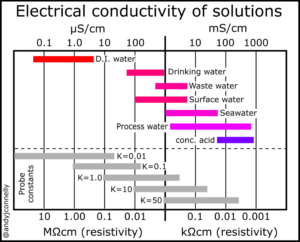
Na komplexnejšie a presnejšie meranie vodivosti odporúčame náš Vysielač vodivosti a teploty.
Video s nastavením
Pozrite si toto krátke video, v ktorom uvidíte, ako zapojiť a nastaviť náš vysielač vodivosti.

| Hmotnosť | 74 g |
|---|---|
| Rozmery | 85 × 25 × 80 mm |
| Rozsah merania | 0 až 20000 uS/cm |
| Vstup | Snímač vodivosti (odporové 2 elektródy) |
| Výstup | 4-20 mA |
| A/D prevodník | 16 bitov |
| Napájacie napätie | 20 až 30 VDC |
| Výstupný odpor | >75Ω |
| Materiál puzdra | Polyamid |
| Hodnotenie IP | IP20 |
| Kompenzácia teploty | Nie |
Tento produkt môžu ohodnotiť len prihlásení zákazníci, ktorí si ho kúpili.
DOCUMENTATION
RECENT REVIEWS
Súvisiace produkty
Priemyselná komunikácia
65,00 € - 73,00 € bez DPH
Zľava!
Nový
Ovládač času
Pôvodná cena bola: 106,00 €.40,00 €Aktuálna cena je: 40,00 €. bez DPH
Produkty Levtech
65,00 € - 70,00 € bez DPH
Zľava!
Nový
Napájanie
Pôvodná cena bola: 55,00 €.25,00 €Aktuálna cena je: 25,00 €. bez DPH
Zľava!
Meracie zariadenia
Pôvodná cena bola: 65,00 €.35,00 €Aktuálna cena je: 35,00 €. bez DPH

200,00 € bez DPH
Zľava!
Nový
Ovládač času
Pôvodná cena bola: 70,00 €.30,00 €Aktuálna cena je: 30,00 €. bez DPH
Zľava!
Nový
Prevodníky analógového signálu
Pôvodná cena bola: 120,00 €.70,00 €Aktuálna cena je: 70,00 €. bez DPH
Recenzie
Nikto zatiaľ nepridal hodnotenie.